Vitamin C — the ultimate health hero we’re all familiar with and adore. From fighting the cold to enhancing skin radiance, it’s been the wellness darling of choice for ages. But just as you think you’ve cracked the code on this vitamin, the latest entrant in the market goes and stirs things up: liposomal vitamin C or liposomal ascorbic acid. What’s the buzz all about? Why is this new version suddenly making waves in the health community? Let’s enter the fizzy, colorful realm of vitamin C—but with a difference.
The Vitamin C Everyone Thinks They Know
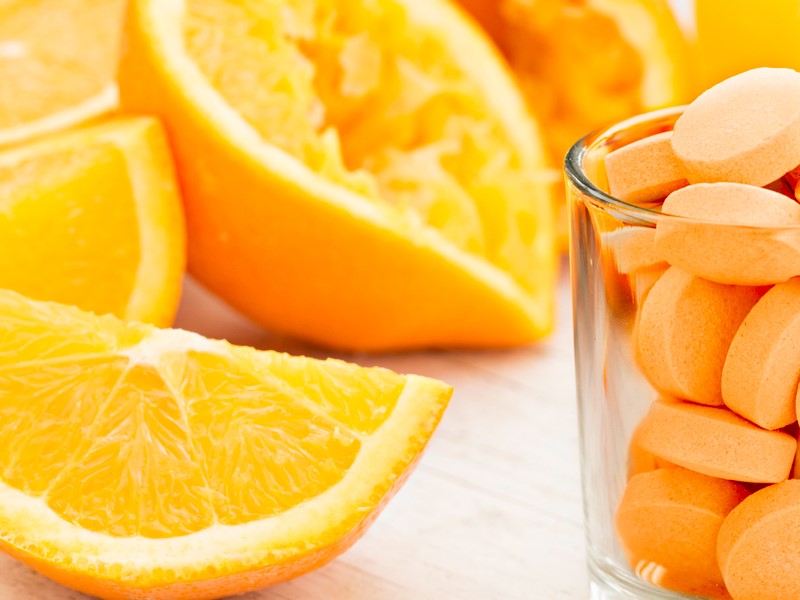
Ask anyone about vitamin C, and you’ll probably hear about citrus fruits, the common cold, and maybe even a splash of orange juice. Sure, vitamin C is vital for immune function, collagen production, and as a powerful antioxidant. But the rub is that the body is not always very good at soaking it up, particularly when it’s taken the form of food supplements in high doses in the form of traditional pills or powders.
Think of vitamin C as a VIP guest at an upscale party. The conventional forms are like a person trying to push through a crowded doorway—sometimes they make it, sometimes not. This restricts the amount of good the body can actually receive. And that’s where the liposomal form enters to revolutionize.
Welcome Liposomal Vitamin C: The VIP Entrance
So, why is liposomal vitamin C unique? The key is a very small, natural bubble referred to as a liposome. Consider liposomes small fat-made delivery drones that deliver vitamin C quietly past the defenses of the body and straight where it’s required.
What is Liposomal Vitamin C?
Typical vitamin C is tough on the stomach and tends to get degraded before it even reaches the blood. But when delivered in these liposomes, vitamin C is given a VIP pass, riding safely through the digestive tract and pumping more of it directly into cells.
That translates to more vitamin C, less waste, and easier on your gut. Cool, huh?
Why Should Anyone Care?
Now, that sounds great, but is it actually going to make a difference? It just so happens that yes, and here’s why it’s important beyond the science-speak.
When sickness strikes, everyone needs their immune system running at top capacity. The enhanced absorption will enable liposomal ascorbic acid to have the potential to offer more intense defense, especially during cold and flu season.
Vitamin C is utilized by the body as a building block for collagen — the protein that keeps skin taut and youthful. Since liposomal ascorbic acid is better absorbed, it can potentially preserve skin repair and glow from the inside out.
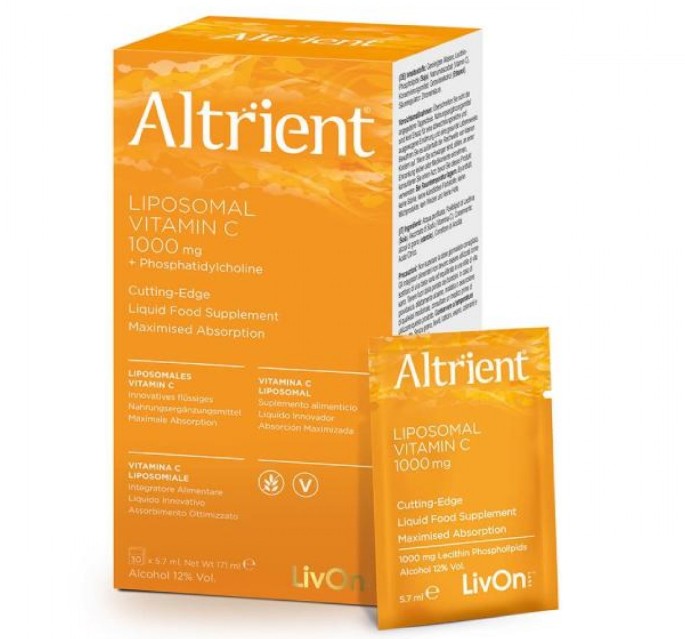
Liposomal vitamin C is a form of vitamin C encapsulated in microscopic fat-like particles called liposomes, which help improve absorption and delivery of the nutrient into the body.
Ever get that queasy stomach pain after taking vitamin C supplements? Liposomal ascorbic acid is kinder, minimizing the risk of digestive disturbances.
Antioxidants are the body’s cleaning team, battling free radicals that destroy cells. More vitamin C where it matters translates into more protection against oxidative stress.
But Is It All Hype?
Amid a culture teeming with health fads, cynicism is good. Is liposomal vitamin C actually doing what it says it’s doing, or is it merely another bright shiny name?
Several studies have shown that liposomal ascorbic acid achieves higher blood levels of vitamin C compared to traditional forms. That’s not just marketing—it’s science. But like any supplement, it’s not a magic bullet. It is most effective when complemented with a balanced diet, water in abundance, and healthy lifestyle habits overall.
Suppose you transitioned from a typical bicycle to an electric bicycle. They both bring you there, but the ride is easier and faster on an electric bicycle. Liposomal ascorbic acid isn’t replacing your entire wellness regimen; it’s just a more intelligent, more effective means of getting your vitamin C.
Who Should Consider Liposomal Ascorbic Acid?
Nearly everyone will be helped, but some individuals may particularly want to try it. Busy bees and warriors against stress tend to feel life’s pressures wearing down their immune system. Increased absorption results in a little extra aid to keep going strong.
Fitness enthusiasts create more free radicals from extreme exercise, so increased antioxidant defense is helpful for recovery.
Aging adults occasionally experience slower nutrient uptake, and liposomal ascorbic acid is used to make sure the body receives enough of this important nutrient anyway.
Individuals with sensitive stomachs who find traditional vitamin C pills irritating may discover that liposomal is a more gentle option.
How to Use Liposomal Ascorbic Acid Without Getting Lost in the Aisles
Finding liposomal ascorbic acid on the supplement shelf feels like trekking through a jungle. Here is a quick primer to avoiding overwhelm.
Search for explicit labeling that explicitly indicates “liposomal” on the bottle. That’s the ticket.
Check the ingredients list—quality liposomal ascorbic acid usually includes phospholipids or lecithin, which form the protective bubbles.
Unlike traditional vitamin C tablets or powders, liposomal vitamin C uses phospholipid bilayers to protect the vitamin as it travels through the digestive system. This method enhances bioavailability, meaning your body absorbs more of the nutrient compared to standard forms.
Taste may differ significantly. Some products are tangy and citrus-flavored, while others tend to be neutral-tasting. When possible, taste a small amount first.
Begin slowly. As with any new supplement, it’s a good idea to start with small amounts to observe how your body responds.
And if you have health conditions or are on medications, always best to discuss things with a health professional before beginning.
The Future of Vitamin C: Smarter, Not Harder
Liposomal ascorbic acid is part of a larger wellness trend—applying smarter technology to enhance how the body can absorb nutrients. Rather than swallowing massive dosages and waiting for things to work out, attention is moving toward smarter delivery systems. It’s a thrilling transformation that pairs nature with technology.
A balanced diet rich in fruits and vegetables often provides sufficient vitamin C. If you’re considering food supplements, especially in high doses, it’s wise to consult a healthcare provider to find the right dosage for your needs.
Picture a future where food supplements are not merely ingested but somehow interacted with the body’s own systems to their maximum benefit and minimal waste. Liposomal ascorbic acid C is already heading in that direction.
Wrapping It Up: Is It Worth the Hype?
If vitamin C is the old classic, liposomal ascorbic acid is the new remix that’s gaining traction—and for a very good reason. It provides improved absorption, more gentle digestion, and possibly enhanced health benefits. For anyone looking to enhance immunity, shield skin, or simply maximize their wellness regimen, this type of vitamin C is certainly worth taking a closer look.
So the next time vitamin C crosses your mind, don’t reach for the usual culprit. Let liposomal ascorbic acid prove what it’s got. Your body may thank you with a healthier, glowing radiance.
Should you prefer to keep it simple yet effective, liposomal vitamin C may be the new spin your regimen needs—without the theatrics, just sheer science-backed goodness.